
For Faster Shipping use Amazon for delivery before Christmas

0

Your Cart is Empty

July 08, 2026 2 min read

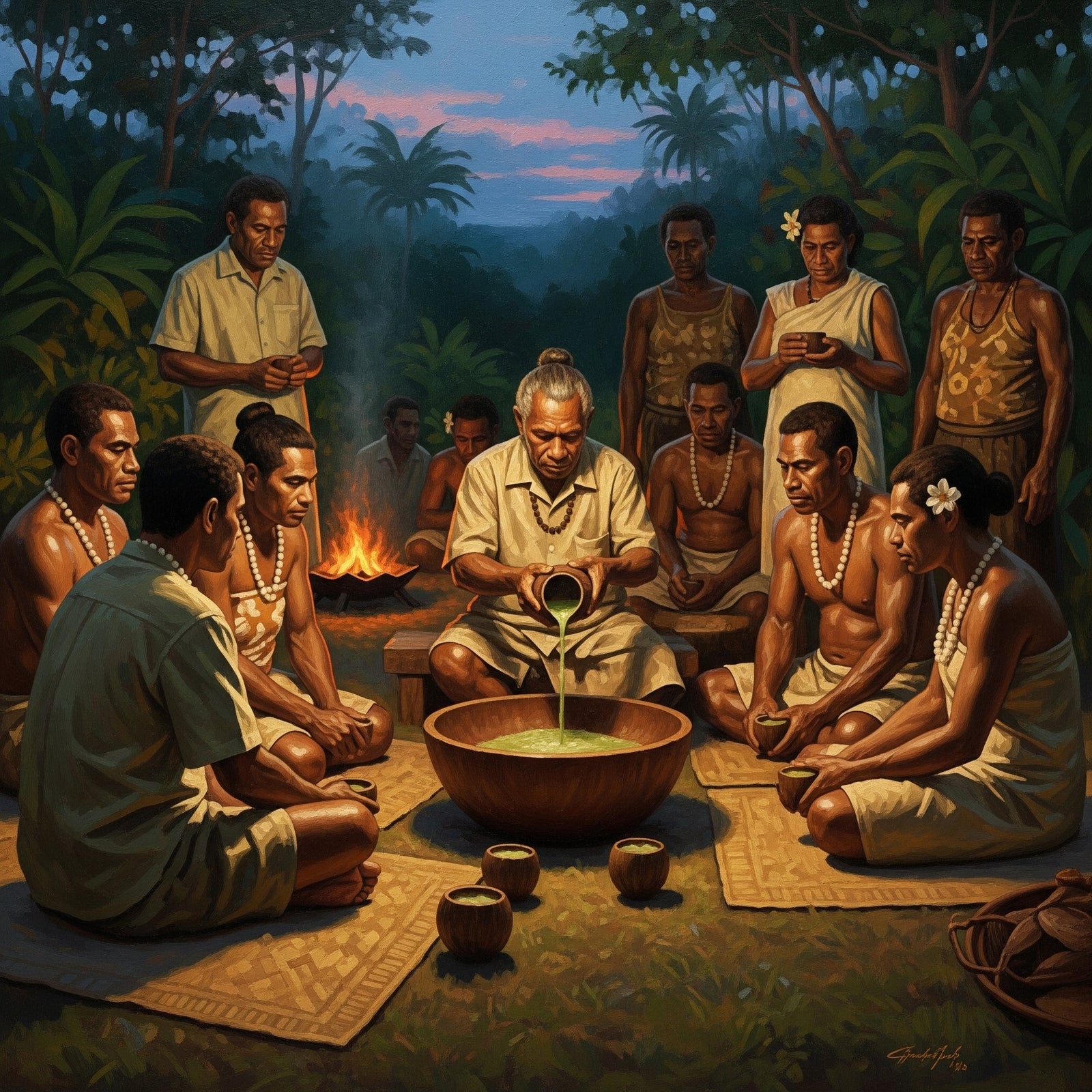
For centuries, kava has been a cornerstone of Pacific Island culture, celebrated for its unique calming and relaxing properties. But beyond the traditional ceremonies and wellness benefits lies a world of quirky and fascinating facts about this ancient root. Get ready to impress your friends at your next kava session with these 10 fun facts you probably didn't know.

  1. It's a Pepper Plant! Believe it or not, kava (scientifically known as Piper methysticum) is a member of the pepper family. This explains its characteristic peppery taste and the gentle numbing sensation it leaves on your tongue.

  2. Kava "Hangs Out" in the Tropics Kava is a true tropical plant, thriving exclusively in the hot, humid climates of the Pacific Islands. It loves volcanic soil and can grow to be quite large, with roots that can weigh over 200 pounds!

  3. The Name Means "Bitter" The word "kava" itself comes from the Tongan and Marquesan languages, and it means "bitter." This is a nod to its earthy, pungent flavor—a taste that kava drinkers learn to appreciate over time.

  4. Kava Is a "Social" Drink Unlike other plants, kava is a domesticated crop that cannot reproduce on its own. It's propagated by humans, making it a truly "social" plant that is dependent on human care and cultivation to survive.

  5. A Natural "Mouthwash" Before the kavalactones take effect, the numbing sensation kava creates in your mouth is sometimes referred to as a "lip lock" or "mouth-numb." In some traditional cultures, this was seen as a way to clean the palate and the mouth.

  6. It's Not a "New" Trend Archaeological evidence suggests that humans have been using kava for at least 3,000 years. This makes it one of the oldest natural calming agents known to humankind, far preceding most modern wellness fads.

  7. The "Reverse Tolerance" Mystery Many first-time kava drinkers report feeling little to no effect. This is due to a phenomenon known as "reverse tolerance," where the body needs to be introduced to kavalactones a few times before it fully recognizes and responds to them. Don't give up after your first shell!

  8. The "Noble" Kava Distinction Not all kava is created equal. There's a distinction between "Noble" and "Tudei" kava. Noble kava is the traditional, safe variety used in ceremonies, while Tudei kava is a different strain that is not recommended for consumption. Always look for Noble Grade kava from a trusted source.

  9. The Naming Game As we've explored in other posts, kava has many different names. In Vanuatu, it can be called malok, while in Fiji it is yaqona, and in Hawaii, it is ʻawa. Each name is a reflection of the unique local culture and traditions.

  10. It's "Kava-Kava" for a Reason The name "kava-kava" is a common term used to refer to the plant. The repetition of the word signifies its importance and its potency. So, when you hear "kava-kava," you know they mean business!

Leave a comment

Disclaimer: The views and opinions expressed in this blog post are those of the author and do not necessarily reflect the official policy or position of Wakacon Kava. Any content provided is for informational purposes only and is not intended as a substitute for professional advice. Wakacon Kava is not responsible for any errors or omissions, or for the results obtained from the use of this information. Readers are encouraged to do their own research and consult with qualified professionals before making any decisions based on the information provided in this blog. Affiliate Disclosure: This blog post may contain affiliate links, which means that Wakacon Kava may earn a commission if you click on a link and make a purchase. This comes at no additional cost to you. Copyright Notice: All content on this blog is the property of Wakacon Kava and is protected by copyright laws. You may not reproduce, distribute, or transmit any content from this blog without the express written consent of Wakacon Kava.