
For Faster Shipping use Amazon for delivery before Christmas

0

Your Cart is Empty

April 14, 2026 2 min read

In the world of kava, the journey from a Pacific Island farm to your cup is more than just a matter of logistics—it’s a story of tradition, quality, and, most importantly, safety. The reputation of kava rests on the integrity of its source, and at Wakacon, we believe that responsible farming practices are the cornerstone of a safe and enjoyable kava experience. This post delves into the crucial role of farming in ensuring kava safety and why choosing a product that prioritizes quality from the ground up is a decision you can feel good about.

The Foundation of Safety: Noble Kava

The most critical aspect of responsible kava farming is the cultivation of Noble Kava. The distinction between Noble and "Tudei" kava is the first line of defense for consumer safety. Noble varieties, which have been cultivated for centuries, are known for their balanced profile of kavalactones, the active compounds that provide kava's calming and relaxing effects. Tudei varieties, on the other hand, contain a different kavalactone profile that can be harsher on the body and is not recommended for regular consumption.

Responsible farmers exclusively grow Noble kava, ensuring that every plant is a part of a safe and time-honored tradition. This commitment to cultivating the right species is the very foundation of a high-quality and safe kava product.

Beyond the Root: Sustainable and Mindful Farming

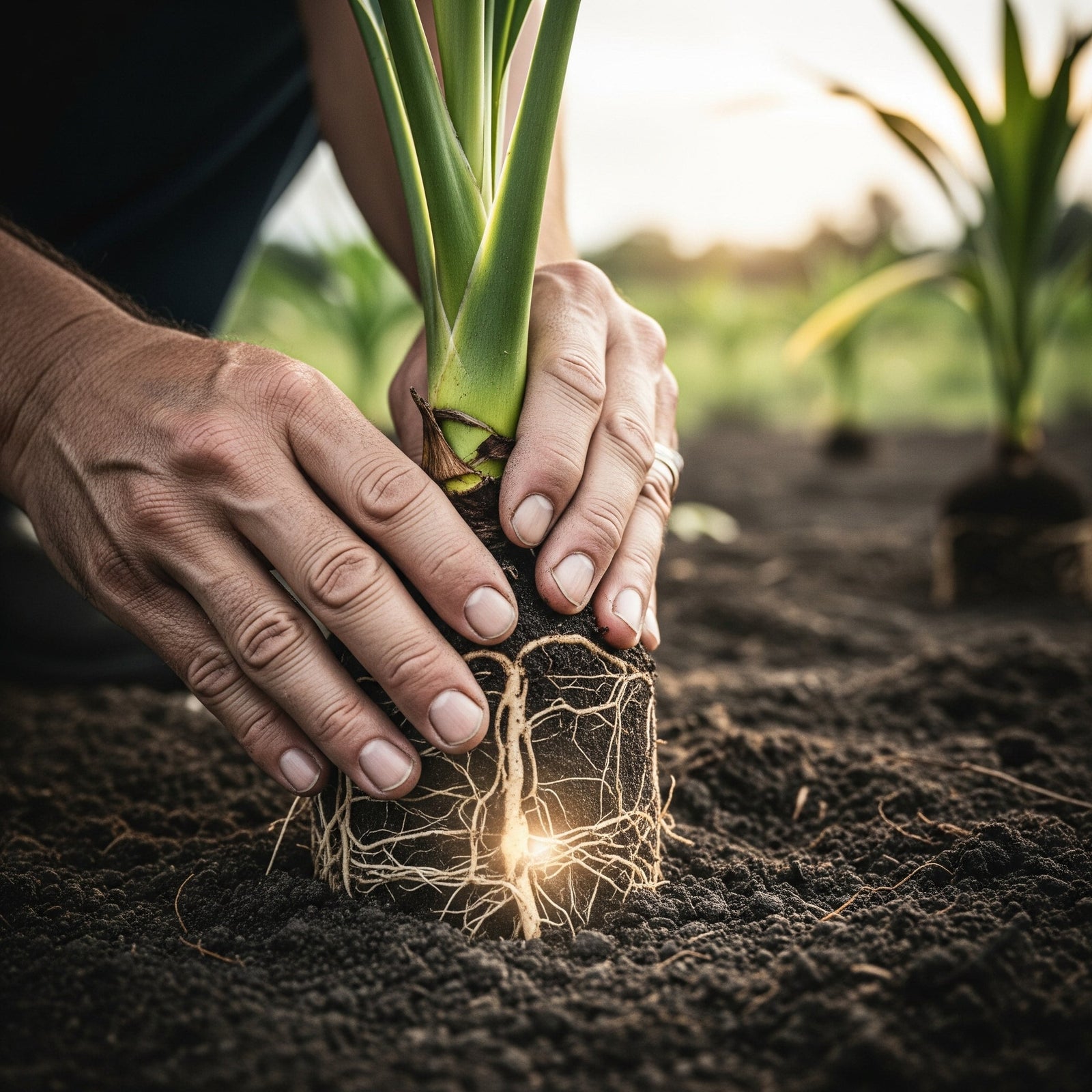
Responsible farming practices go beyond just the type of kava grown. They also involve a deep respect for the land and the plant itself with cultivation time, harvesting techniques, Processing and purity.

By choosing a kava product from a company that works directly with responsible farmers, you are not just getting a high-quality product—you're supporting a tradition of excellence that puts your safety and well-being first.

Leave a comment

Disclaimer: The views and opinions expressed in this blog post are those of the author and do not necessarily reflect the official policy or position of Wakacon Kava. Any content provided is for informational purposes only and is not intended as a substitute for professional advice. Wakacon Kava is not responsible for any errors or omissions, or for the results obtained from the use of this information. Readers are encouraged to do their own research and consult with qualified professionals before making any decisions based on the information provided in this blog. Affiliate Disclosure: This blog post may contain affiliate links, which means that Wakacon Kava may earn a commission if you click on a link and make a purchase. This comes at no additional cost to you. Copyright Notice: All content on this blog is the property of Wakacon Kava and is protected by copyright laws. You may not reproduce, distribute, or transmit any content from this blog without the express written consent of Wakacon Kava.